
The Ultimate Guide to The Big SAD
You know what time it is. It’s winter time! And not fun, holiday winter with the gingerbread lattes and twinkly lights. It’s cold, bitter winter with the ice and seemingly endless darkness. Here in Tulsa, we’ve not quite gotten to the icy part, but still. The big SAD is lurking... Hiding behind the next gust of frigid air that seems to stick to your bones.

When I say the big SAD, I mean seasonal depression, or Seasonal Affective Disorder (SAD). The National Institute of Mental Health classifies SAD as “a type of depression characterized by a recurrent seasonal pattern, with symptoms lasting about 4−5 months out of the year."
Symptoms can include:
Persistent sad, anxious, or “empty” mood most of the day, nearly every day, for at least 2 weeks
Feelings of hopelessness or pessimism
Feelings of irritability, frustration, or restlessness
Feelings of guilt, worthlessness, or helplessness
Loss of interest or pleasure in hobbies and activities
Decreased energy, fatigue, or feeling slowed down
Difficulty concentrating, remembering, or making decisions
Changes in sleep or appetite or unplanned weight changes
Physical aches or pains, headaches, cramps, or digestive problems that do not have a clear physical cause and do not go away with treatment
Thoughts of death or suicide or suicide attempts
For winter-pattern SAD, additional symptoms can include:
Oversleeping (hypersomnia)
Overeating, particularly with a craving for carbohydrates, leading to weight gain
Social withdrawal (feeling like “hibernating”)
Maybe you don’t have all of the symptoms listed above, but I’m betting you experience at least 1 symptom in the wintertime, even if it’s only on occasion. That’s because research tells us the primary cause of seasonal depression is lack of sunlight and its effects on the body. But why?
Scientifically speaking, sunlight on bare skin increases our bodies Vitamin D levels. Vitamin D helps us with a LOT of things, but specifically, according to this article by Cleveland Clinic, it contributes to:
· Strong bones
· A healthy immune system
· Better mood
· Cardiovascular health
· Good muscle function
But that’s not all. Sunlight also helps boost certain hormone levels and regulate sleep. Sunlight triggers hormone responses in a specific location in our brains, the pineal gland. One of those hormones is serotonin. Serotonin, also known as the feel-good hormone, makes us (you guessed it) feel good! The more sun exposure, the more serotonin our brain produces. On the flip side, sunlight also triggers our internal clock and can help our brains start and stop the production of melatonin, the hormone that contributes to better sleep.
Basically, sunlight can be beneficial in more ways than one, and the lack of sunlight can leave us feeling pretty icky.
The big SAD used to torment me. Every. Single. Year. But it didn’t really start until I was in college. So, right around the same time that I turned my stress up to a million, started ingesting roughly 4 servings of caffeine and a thousand grams of sugar every day, stopped moving my body, and gained 30 pounds.
That's just a coincidence, right?
Wherever you are physically or mentally, wintertime can be a tough season. The lack of daylight on its own is super annoying. You just want the day to be over when the sun sets, and going to sleep at 5:30 p.m. isn't really conducive to life with a husband and two kids. Luckily for us, there are some scientifically proven ways that we can beat the big SAD. Or, at the very least, minimize its effect on our health and wellbeing.
1. Go outside

I know, I know. It’s cold. You don’t want to. But it will make you feel better! I promise. Studies show that “even 10 to 30 minutes of sun exposure on bare skin can start to impact levels (of Vitamin D) in a positive way.” So get outside. Bundle up if you have to, but then turn your eyes up to the sky and let the sun kiss your cheeks. Take a few calming breaths, take a little walk, get in your car and sit in the sunlight. Whatever it takes to get your daily dose of rays.
2. Take a Vitamin D supplement
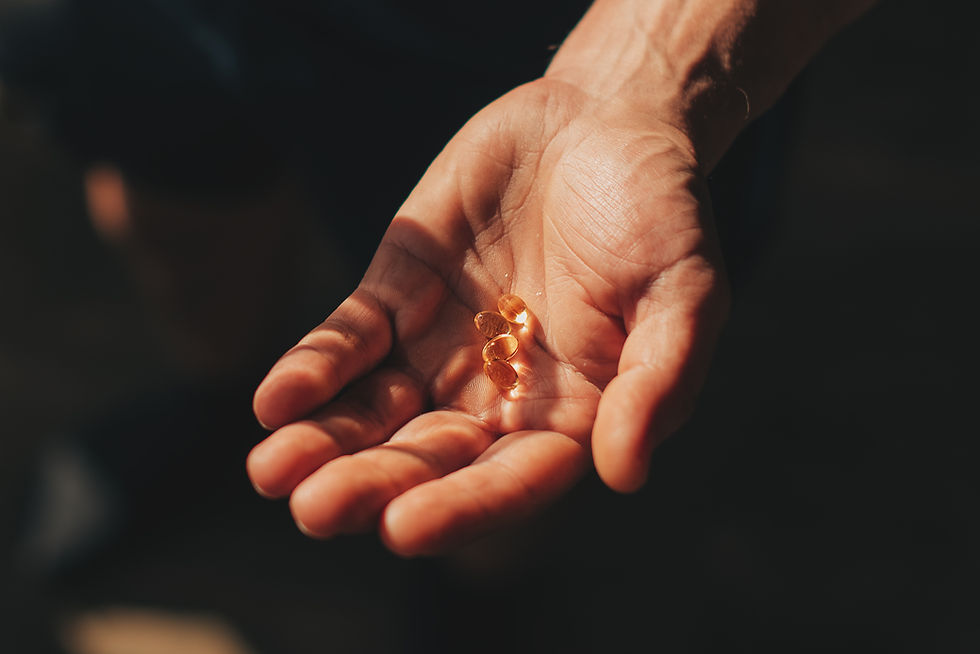
Now, I know what y'all are thinking. What if it's cloudy? Or rainy? Or you live in Seattle? Well, Cleveland Clinic states that about 35% of Americans have a vitamin D deficiency, regardless of the time of year. It’s no wonder that people get hit with seasonal depression if they’re already running low. So if you don't have the opportunity to see the sun, or those rays just aren't cutting it for you, head to your local Walmart and pick up whichever Vitamin D supplement fits your fancy. Better yet, make it a multivitamin that contains Vitamin D. We could all use more vitamins!
3. Move Your Body

Unfortunately, your therapist is right. Exercise really does wonders for the brain and body. You may not want to do it in the moment, but you almost always feel better afterwards. That’s because, according to the Mayo Clinic, exercise releases endorphins that naturally help you feel better. And I'm not sure if this is science-y or not, but exercising gives you something to feel proud of when you do it on the days you don't want to. That's definitely a mood boost! If you're not used to working out, start small. A great way to move more is to turn on your favorite show and do laps in your living room. You'll hit your step goal in no time!
4. Get GOOD Sleep

Hibernation is a sign that you might be dealing with the big SAD, so be careful not to mistake too much sleep for a good thing. However, it's really important to make sure you're getting adequate sleep. Sleep not only aids in recovery after exercise, but proper sleep can also help with you appetite and cravings. Not getting enough sleep can mess with the hormones responsible for hunger and satiety. If you've ever had days where you were always hungry and never felt full, you might've had some poor sleep. Some quick fixes to help improve the quality of your sleep are:
Limit screen time at least 1 hour before sleeping. Try reading a book, instead!
NO CAFFEINE at least 8 hours before bed. This one is SUPER important. If you're a soda drinker, opt for a caffeine free option after lunchtime.
Create a bedtime routine. Do something every night that signals to your body that it's time for bed. Brush your teeth, wash your face, drink some warm tea, lather on some lavender lotion, whatever floats your boat.
Wintertime can be pretty awesome once you've dodged the big SAD. It's a great time to start a new hobby, get closer with friends, and find comfort in your cozy home. We're all in it together, waiting for the warmth of the sun to return. Find some good people to brave the winter with and you'll be just fine.
Hang in there, friend. In the words of Annie, the sun'll come out tomorrow!


Comments